While Sarah and Jason settled in a small exam room, they brought with them hope and countless questions. They were searching for understandable answers and a strategy that made sense for their lives. An attentive specialist who pairs science with patience can improve how that journey feels.
Dr Eliran Mor MD

Eliran Mor
Modern fertility care looks beyond quick fixes. It studies each person’s medical picture, background, and priorities. With targeted testing and personalized treatment, patients get a roadmap instead of uncertainty.
This resource introduces how expert medical support may strengthen chances of conception. Readers can discover why medically grounded strategies make a difference and how a committed clinician guides patients. The aim is clear: convert complex science into usable steps toward parenthood.
Exploring Fertility Health
Learning how the body supports conception is the first step toward informed care. Reproductive health includes both body-related and mental well-being for people considering pregnancy.
Evaluating infertility calls for a careful look at both partners. Tests and medical records help pinpoint specific barriers to a natural, healthy pregnancy.
A large number of women seek focused care to see how their reproductive health shapes long-term chances to conceive and deliver a full-term baby. Early evaluation can uncover treatable issues and limit delays.
“Pinpointing the root causes of infertility lets clinicians align treatments to each person’s schedule and health history.”
Complete screenings provide the data needed to determine if advanced treatment is necessary. With reliable results, clinicians can outline steps that support individual goals and medical needs.
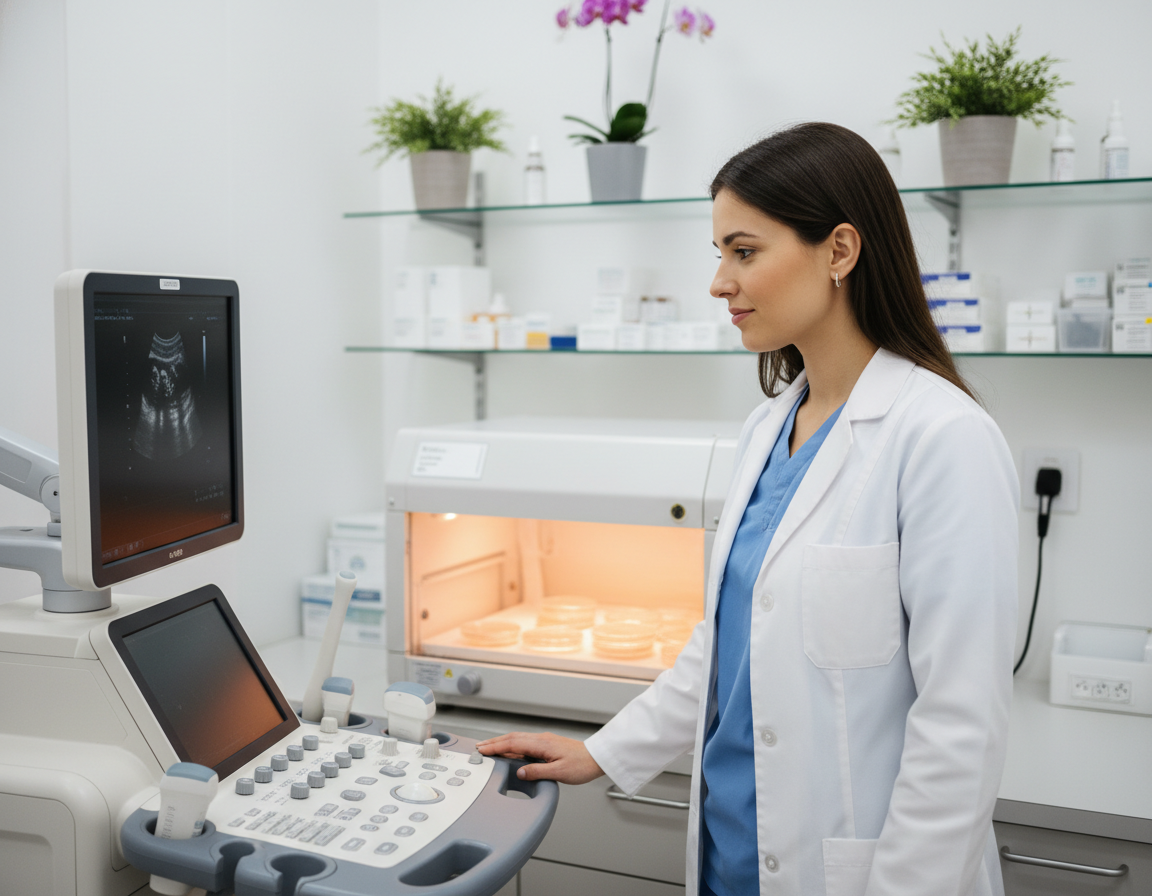
Meet Doctor E. Mor
A straightforward introduction to a clinician’s training helps people feel grounded on day one. Below is a focused look at academic roots and how a patient-centered approach shapes care.
Clinical Background And Experience
Dr. Mor completed a medical degree and completed residency within obstetrics gynecology at New York Methodist Hospital. This demanding path delivered hands-on cases in gynecology New York settings.
The doctor pursued fellowship-level work in reproductive endocrinology, building focused skills in reproductive endocrinology infertility. Years of clinical practice strengthened diagnostic judgment and procedural technique.
Philosophy Of Personalized Care
The doctor builds every plan on the individual patient. Clear communication, empathy, and customized protocols guide decisions during testing and treatment.
- Highly credentialed doctor with a solid clinical degree and substantial experience.
- Personalized protocols that consider medical history and life goals.
- Collaborative care that blends evidence, skill, and patient values.
“Our goal is to make complex options understandable and actionable.”
Why Value Of Expert Fertility Care
If fertility care is specialized, testing and treatment are more precise and timely. An expert clinic identifies issues that broader practices may miss. That accuracy helps reduce the path to the right solution.
Timely diagnosis of hormonal imbalances or structural concerns can improve outcomes. Specialized testing detects problems before they become major barriers. This improves both safety and success rates for treatment.
High-quality care matters at every step. Expert teams tailor interventions and monitor responses closely. This reduces risks and helps patients continue with confidence.
- Greater diagnostic accuracy than general clinics.
- Faster identification of hormone or structural issues.
- Targeted treatment plans that preserve long-term reproductive health.
- Dedicated attention that supports better outcomes and safety.
Choosing a specialist like Eliran Mor supports a dedicated approach that focuses on long-term goals. That focused attention is the cornerstone of modern fertility care and helps couples and individuals move through complex challenges.
Navigating The Fertility Path
Living with infertility often feels like walking a long road without a clear map. That uncertainty can impact daily life, work, and close relationships. Compassionate, compassionate care helps people take the next step with confidence.
Emotional Guidance During Care
Thoughtful treatment combines medical steps with emotional support for every patient. A thoughtful plan helps ease stress and helps patients focus on goals.
Care teams that listen and guide share practical tools. Counseling, support groups, and clear timelines soften anxiety during complex procedures.
“Offering a steady, informed team can improve how families experience treatment and hope.”
Care that recognizes the whole family helps partners feel included. When people feel understood, they are better able to follow medical guidance and make informed choices.
Patients who work with a dedicated team often report lower anxiety and clearer expectations. That mix of expertise and empathy is central to a successful journey.
Initial Appointments And Fertility Testing
An initial visit combines careful history-taking with focused testing to define clear next steps. In that first meeting, Dr. Mor reviews medical, surgical, and family histories to identify clues that guide testing.
The clinician usually requests blood panels and imaging for both partners. Common tests include hormone levels, semen analysis, and pelvic ultrasound. These studies provide a practical view of reproductive potential.
Once results arrive, Dr. Mor converts data into a customized roadmap. That plan explains what findings mean and which treatments to consider next.
“Careful diagnostics shorten the path to effective care by identifying obstacles early.”
| Test | Purpose | Timing |
|---|---|---|
| Endocrine Bloodwork | Review ovarian reserve and endocrine balance | Early in evaluation |
| Male Fertility Test | Check count, motility, morphology | At initial male workup |
| Pelvic Ultrasound | Check uterus and ovaries for structural issues | When clinical details point to a need |
- Bring questions—your doctor will review how each result shapes care.
- Timely testing can preserve time and resources during treatment.
Reviewing Modern Reproductive Treatment Options
Modern fertility options use precise timing and lab techniques to convert potential into progress.
Egg Collection Process
Oocyte retrieval is scheduled after careful stimulation and monitoring. A brief sedation procedure gathers mature eggs for lab fertilization.
The care staff prioritizes comfort and safety while aiming to gather multiple healthy eggs to increase chances of a quality embryo.
Male Fertility Analysis And Processing
Male fertility testing checks count, motility, and shape. Laboratory processing selects the healthiest sperm for fertilizing retrieved eggs.
Managing Reproductive Cycles
Careful monitoring of cycles helps fine-tune medication doses in real time. That personalization maximizes egg development and supports embryo creation.
- Customized stimulation overseen by Dr. Mor to grow multiple eggs.
- Gentle procedures completed with patient comfort in mind.
- Detailed sperm prep to strengthen fertilization outcomes.
- Regular cycle checks to optimize timing and medication.
Working as one, these procedures and careful lab work are designed to produce high-quality embryos for future transfer or freezing.
Understanding The Role Of IVF In Modern Care
This advanced fertility treatment now functions as a practical option for many people facing complex fertility barriers.
This treatment has transformed how clinicians approach infertility by offering a clear path when other options fall short.
During IVF, eggs and sperm are combined in a controlled laboratory setting. Embryology specialists monitor fertilization and early embryo growth to choose the healthiest embryos for transfer.
Updated protocols make this treatment safer and more efficient than earlier methods. Clinicians tailor medication, timing, and lab techniques to each patient’s needs.
Bypassing certain biological barriers—blocked tubes, poor sperm parameters, or unexplained issues—ivf provides opportunities that were once out of reach.
Continuous advances in lab technology, embryo assessment, and culture systems continue to improve success rates. For many families, ivf remains the strongest treatment to reach pregnancy.
Preparing For An Embryo Transfer
Precise scheduling, preparation, and a calm environment shape how well an embryo settles into the uterus. Your care team coordinates medication, monitoring, and rest so the lining is receptive on transfer day.
Before an embryo transfer, Dr. Mor checks hormone levels and lining thickness in the days leading up to the procedure. These measures shape the exact timing and any last medication adjustments.
The actual procedure is brief and gentle. A chosen embryo is placed with precision into the uterus using ultrasound guidance. Location is important; proper location raises the chance of implantation.
Individuals receive clear instructions on medications, activity, and diet in the pre-transfer window. Small lifestyle changes and adherence to the plan encourage the embryo and help lower stress.
Preparing well makes a pivotal moment feel manageable. Rely on the team, follow the guidance from Dr. Mor, and use the recovery period to settle and reduce anxiety after transfer.
Success Rates And Realistic Expectations
Knowing realistic success rates helps a patient plan the next steps after an embryo transfer. Practical numbers reduce worry and set useful goals.
The care team shares transparent success data so a patient understands the likelihood of a positive result. Dr. Mor reviews those rates in the context of age, history, and test results.
Each embryo transfer is influenced by many factors. Medication timing, embryo quality, and uterine readiness all affect success.
- The clinician provides transparent success rates for each transfer scenario to create realistic expectations.
- Patient-specific factors change outcomes; the care team clarifies what matters for each patient.
- Optimization of protocols aims to increase embryo and transfer success across cycles.
- Clear discussion helps patients understand the possibility of multiple attempts and plan accordingly.
Data-driven guidance helps the patient to choose timing and next steps with confidence. With clear rates and honest conversation, success becomes a shared, measurable aim.
Personalized Care Strategies For Every Patient
Individualized fertility plans convert medical data into actionable steps for each woman.
Treatment design starts with a clear review of tests, goals, and lifestyle. Then Eliran Mor and the patient shape a treatment plan together.
That partnership helps ensure concerns are addressed before any transfer occurs. Patients see the steps and the reasons behind them.
Treatment roadmaps often include nutrition and lifestyle guidance. Simple, evidence-based changes help the body during intensive phases of treatment.
- Joint decision-making to tailor timing and medications.
- Realistic recommendations for diet, sleep, and stress management.
- Continued adjustments based on response and patient feedback.
“An organized plan gives each patient the attention needed to navigate complex treatment and improve transfer outcomes.”
| Care Component | Purpose | When Applied |
|---|---|---|
| Clinical Assessment | Connect tests to tailored medication | At planning stages and before transfer |
| Wellness Support | Support implantation and recovery | Throughout stimulation and after transfer |
| Collaborative Follow-up | Update plan to patient response | During treatment cycles |
The Impact Of Experience On Clinical Outcomes
Extensive clinical exposure helps specialists recognize patterns that change treatment paths.
If a clinician brings many years of focused practice, subtle cycle cues become clearer. That knowledge often makes the crucial turning point between a stalled attempt and a successful outcome.
Doctor Mor combines technical skill with refined judgment gained over years in active practice. Patients gain support because procedures and timing are adjusted based on what worked in similar, real cases.
Experience refines protocols, reduces guesswork, and improves lab coordination. That steady improvement can increase the chances of treatment success for complex cases.
| Experience Element | Benefit | Effect on Success |
|---|---|---|
| Long experience with difficult cases | Sharper recognition of subtle patterns | Improved implantation and pregnancy rates |
| Improved laboratory and care systems | Steady procedure quality | Better embryo development outcomes |
| Experience-based decision-making | Personalized interventions for unique needs | Lower cycle failures and better follow-up |
“Cumulative years of practice shape decisions that improve patient success.”
Choosing The Right Fertility Center In CA
Selecting the right facility in Los Angeles means balancing clinical expertise with compassionate support.
Open the process by checking the reputation of the center reproductive health and the credentials of the medical team. Reputation reflects how a practice delivers care and results over time.
The chosen fertility center should provide a full range of services so patients get testing, lab work, and follow-up care in one place. That continuity helps reduce stress and supports coordination.
Across Los Angeles, many patients pick a center reproductive because the team demonstrates both skill and steady support. Good care means a focused doctor, an experienced team, and a welcoming clinic environment.
Closing Guidance
This guide collects practical steps and clinical insight to help you move forward with confidence.
The content outlines why expert fertility care matters. It clarifies how a qualified reproductive endocrinologist creates a tailored plan that supports your health and timeline.
Understanding each stage—from initial tests to embryo transfer—builds clarity and eases stress. Clear information helps you ask the right questions and choose sensible next steps.
Ideally, this content becomes a useful resource for those seeking evidence-based care and informed guidance. Making the first step toward specialized help is a important decision on the path to parenthood.